

The 4 New Species in Ravenloft: The Horrors Within
As an Amazon Associate I earn from qualifying purchases.
The Mists have cleared once again over the Domains of Dread, with Wizards of the Coast releasing the new D&D supplement Ravenloft: The Horrors Within, which is available now from local game stores, D&D Beyond and on Amazon.
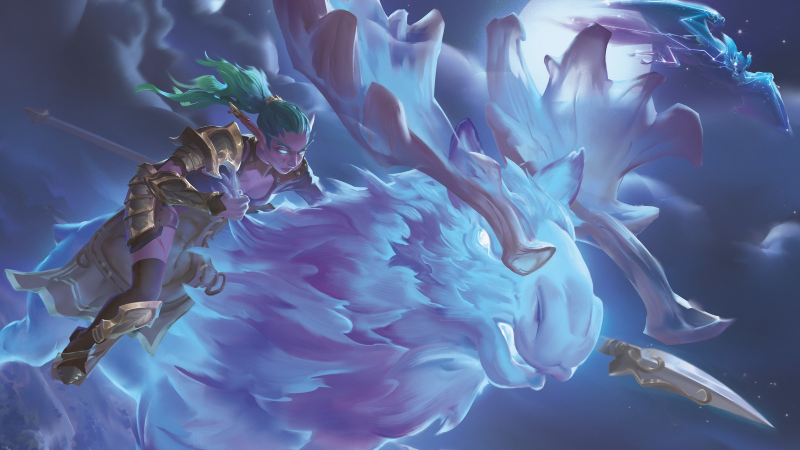
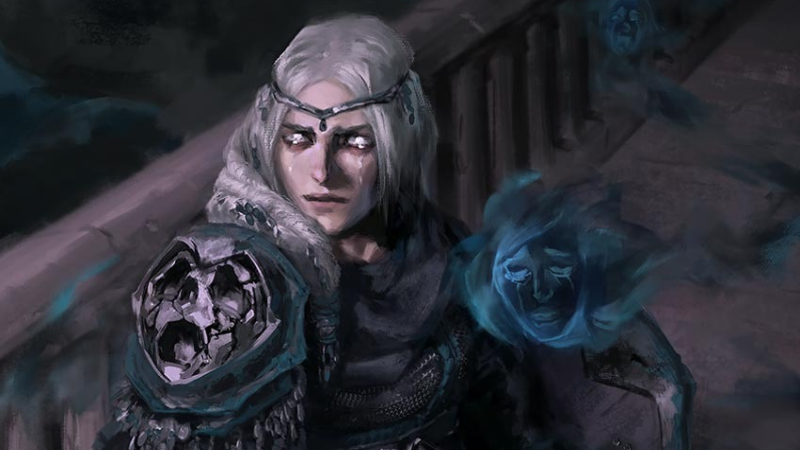
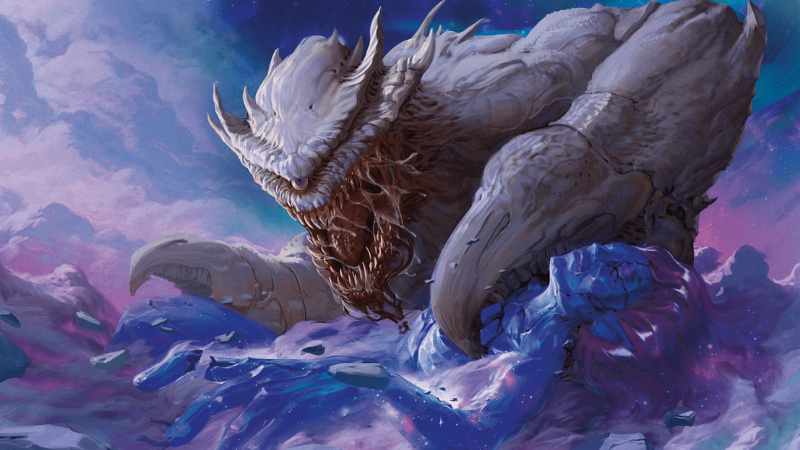
The book features a variety of horror-themed player options, including new Ravenloft subclasses, new backgrounds, new feats and four new horror-themed species: the Dhampir, the Hexblood, the Lupin and the Reborn. The term “new,” however, may also be overly generous, as among these only the Lupin is a completely original, with the other three appearing in past D&D content.
So just what can players expect with these terrifying new and returning species? Below, we scare up all the details.

What are the new D&D species in Ravenloft: The Horrors Within?
Below are details for each of the four new Ravenloft species, including a description of what they are and their mechanics for D&D 5.5e. For each species we’ve also noted whether it’s new or updated (including notes on which previous D&D book it can be found in).
Dhampir (Updated Species)
Dhampirs are living beings with the powers and unholy hunger of a vampire. While most dhampirs thirst for blood, some can also feed on dreams, life energy or other vital sources that existing within their prey. Some dhampirs are the flesh-and-blood descendants of a powerful vampire, while others are partially transformed by a vampire’s bite or the result of a bargain with unnatural, necromantic beings.
Key Features:
- Spider Climb: You have a Climb Speed equal to your Speed. When you reach level 3, you can also move up, down and across vertical surfaces and ceilings while leaving your hands free.
- Trace of Undeath: You have Resistance to Necrotic damage.
- Vampiric Bite. When you deal damage with an Unarmed you can choose to bite with your fangs. You deal Piercing damage equal to 1d4 plus your Constitution modifier. During this attack you can also choose to Drain (you regain Hit Points equal to the Piercing damage dealt) and Strengthen (you gain a bonus to the next ability check or attack roll you make within the next minute, with the bonus being equal to the Piercing damage you dealt).
Notably, the Dhampir first appeared as a playable species in Van Richten’s Guide to Ravenloft and was updated for the 2025 D&D Beyond supplement Astarion’s Book of Hungers. This latter version of the Dhampir is exactly the same as what’s featured in Ravenloft: The Horrors Within.

Hexblood (Updated Species)
Hexbloods are individuals who have been infused with dark and powerful fey magic. Many hexbloods are transformed after making a deal with a powerful hag, but Hexbloods can also be the result of tampering with eldritch energies or cursed rituals.
Key Features:
- Eerie Token: As a Bonus Action, you can create a magical token that lets you use one of two abilities: Distant Message (you can send a telepathic message of 25 words or less to a creature within 10 miles who is carrying the token) or Remote Viewing (you can see and hear from the token if it’s within 10 miles).
- Hex Magic: You always have the Disguise Self and Hex spells prepared. You can cast each spell once without a spell slot, use Intelligence, Wisdom or Charisma to cast it and you regain the ability to cast it in that way when you finish a Long Rest.
Like the Dhampir, the Hexblood also first appeared in 2021 Van Richten’s Guide to Ravenloft and is more or less unchanged (aside from the general change that was made to Species in the D&D 5.5E rules).

Lupin (New Species)
Lupins are beings who have been bitten by a werewolf and yet were able to avoid the most harmful effects of lycanthropy. Unlike true werewolves, lupins can’t transform between wolf and humanoid form but are instead stuck as hulking hybrids. Because of this, they are exceptionally strong, have enhanced instincts and can unleash a fear-inducing howl.
Key Features:
- Feral Pounce: Once per turn, your Unarmed Strikes deal Slashing damage instead of Bludgeoning damage. In addition, when you hit a creature with an Unarmed Strike, you can use both the Damage and the Shove options.
- Howl: As a Bonus Action, you let out an unearthly howl. Each creature of your choice within 15 feet of you must succeed on a Wisdom saving throw (DC 8 plus your Constitution modifier and Proficiency Bonus) or have Disadvantage on attack rolls and saving throws until the start of your next turn.
- Werewolf Instincts: You have proficiency in the Perception, Stealth or Survival skill.

Reborn (Updated Species)
Reborn are individuals who have died and been brought back to life through magic or science. In many cases, they are stitched together from multiple corpses or have their minds transferred into their newly reanimated bodies. Essentially, they’re the Frankenstein’s monster of D&D.
Key features
- Strange Endurance: You have Resistance to your choice of Cold, Necrotic or Poison damage.
- Escaped Death: You have Advantage on Death Saving Throws.
- Everlasting: You don’t gain Exhaustion levels from dehydration, malnutrition or suffocation. You also don’t need to sleep, magic can’t put you to sleep and a long rest only takes 4 hours.
- Knowledge from a Past Life: You gain proficiency in one skill of your choice. In addition, when you fail an ability check, you can roll 1d6 and add the number rolled to the d20, potentially turning the failure into a success. You can do this a number of times equal to your Proficiency Bonus, and you regain all expended uses when you finish a Long Rest.
As with the Dhampir and Hexblood, the Reborn also first appeared in 2021 in Van Richten’s Guide to Ravenloft and the updated version is mostly the same (with only a few mechanical tweaks).

Final thoughts
It’s great that Ravenloft: The Horrors Within features four playable species . Unfortunately, it’s also a bit disappointing that they’re mostly options we’ve seen before. Still, if you’re looking to add a bit of horror to your next character, they are solid options.
You can learn more and see all the details on the new species in Ravenloft: The Horrors Within, which is available for purchase now from local game stores, D&D Beyond and on Amazon.
More D&D News Coverage
For more from the world of Wizards of the Coast, visit our D&D News page.

Jason Volk is the Publisher of Dungeons & Dragons Fanatics and lives in the wilds of Western Canada. He has been playing D&D for over 25 years and is a huge fan of Dragonlance and the Forgotten Realms. His favorite character of all time was a Necromancer named Neek who spent most of his adventuring career resurrecting the corpses of slain monsters. When he’s not playing TTRPGs, Jason enjoys video games, Magic: The Gathering, Warhammer 40K, watching football and spending time with his wife and adorably nerdy children.
Follow him on Bluesky or on Instagram