

All 13 New D&D World of Warcraft Classes
As an Amazon Associate I earn from qualifying purchases.

Article Summary
- Wizards of the Coast has released the full list of the 13 classes appearing in the D&D: World of Warcraft supplement.
- Rather than creating standalone rules for every class, it maps roles from the MMORPG onto the D&D 5.5E system, with Specializations that tap into unique subclasses and playstyles.
- It also includes three high-powered Hero Classes designed to start play at level 3 or higher.
- The 13 classes are: Death Knight, Demon Hunter, Druid, Evoker, Hunter, Mage, Monk, Paladin, Priest, Rogue, Shaman, Warlock and Warrior.
The world of Azeroth is about to enter a whole new era, with Wizards of the Coast releasing new information on the upcoming D&D World of Warcraft supplement. The book is both a player and DM-facing supplement that features a range of lore, locations, magic items, spells and monsters. It also includes a ton of new character options, including 13 new classes: the Death Knight, Demon Hunter, Druid, Evoker, Hunter, Mage, Monk, Paladin, Priest, Rogue, Shaman, Warlock, and Warrior.
Full details on these new character options will be revealed when the book hits shelves on November 17, 2026, but in the meantime you can pre-order your copy now from your local game store, D&D Beyond and Amazon.
Below, we take a closer look at these new MMORPG-inspired character options.

How do the new D&D World of Warcraft classes work?
Wizards of the Coast has taken a unique approach when it comes to adapting World of Warcraft’s unique skill trees and character archetypes to the new D&D 5.5E rules. The basic concept is to combine standard base classes from the 2024 Player’s Handbook with new subclasses. The book also offers over 40 Specializations which are unique subclass-based playstyles designed to replicate how classic builds like the Feral Druid, Frost Death Knight or Discipline Priest function at the tabletop.
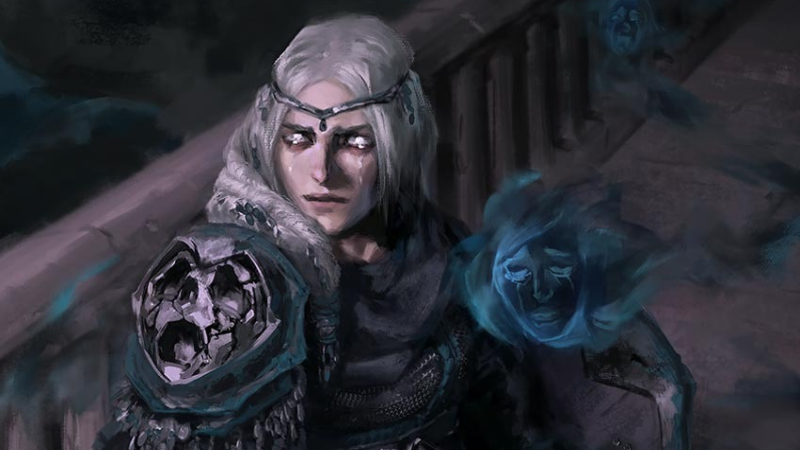
In addition, three iconic archetypes from the MMORPG are now classified as Hero Classes (Death Knight, Demon Hunter and Evoker), which are designed to start play at level 3 or higher to reflect that they enter the fray as already powerful veterans of Azeroth.

What are the new classes in D&D World of Warcraft?
There are 13 classes in total as follows:
Death Knight (Hero Class)
Elite undead warriors who have broken free from service to the Lich King and now formed their own order known as the Knights of the Ebon Blade, these deathless warriors now serve Azeroth in its time of need. Functioning as a premier Hero Class, players build a Death Knight by selecting the Paladin base class and taking the new Oath of the Ebon Blade subclass. The class features unique Runeforging mechanics that allow you to channel Blood, Frost or Unholy powers, letting you absorb life, freeze foes or raise undead minions to crush enemy ranks.
Demon Hunter (Hero Class)
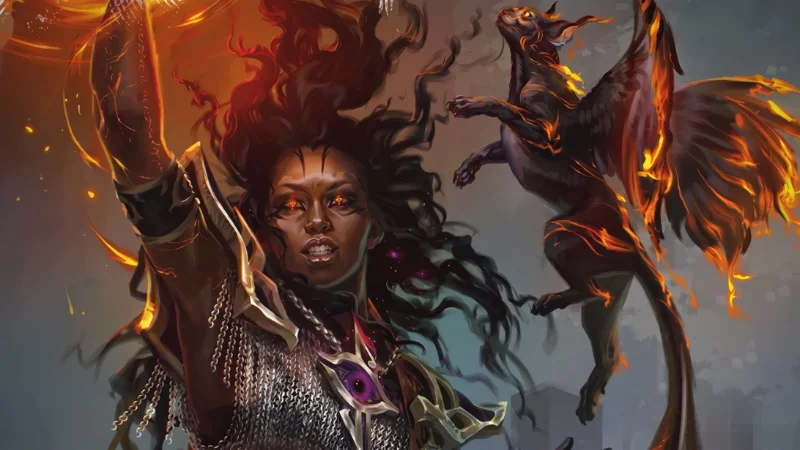
These unholy warriors collect the souls of their enemies to fuel their dark powers and blend martial and magical power. As another premier Hero Class, Demon Hunters are built using the Ranger class paired with a specialized Demon Hunter subclass. You gain Blindsight to track hidden threats, consume soul fragments from fallen foes to cast spells or siphon health and choose between Devourer, Havoc or Vengeance specializations for high-mobility melee abilities.

Druid
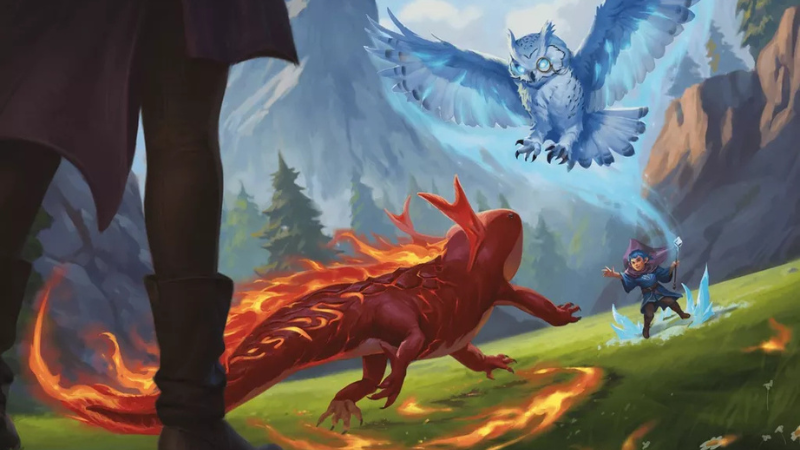
These master shapeshifters use the D&D Druid class as a base and offer four specializations: Balance Druids use the base Circle of the Stars subclass, Feral and Guardian Druids use the Circle of the Moon subclass and Restoration Druids lean into the existing Circle of the Land subclass. Every WoW Druid also learns new Beast Forms (similar to Wild Shape) which consist of Cat Form, Bear Form and Travel Form, each of which has unique statblocks.
Evoker (Hero Class)
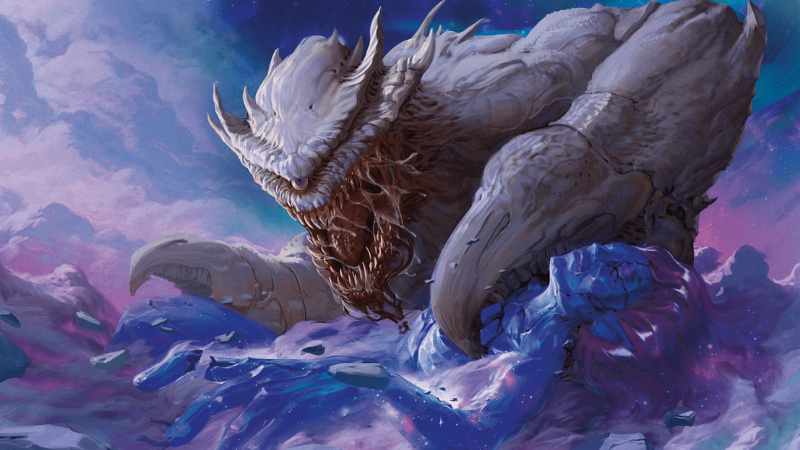
Representing the dragonkin spellcasters of the Dragon Isles, this class harnesses raw draconic magic. They are built on the chassis of the existing Draconic Sorcery Sorcerer subclass but you can choose your specialization from Augmentation (provides buffs to you and allies), Devastation (deals massive AoE damage) or Preservation (lets you protect and heal allies) – each of which gets new spells. Notably, Evokers can only select the Dracthyr as a species.

Hunter
Skilled trackers and wilderness explorers, the Hunter utilizes the core Ranger class. For Specializations you can choose between Marksmanship (which takes the Hunter subclass), Survival or Beast Mastery (the latter two use the existing D&D 5.5E Beast Master subclass, with the former getting a new Roving feature and the latter getting a new Pet Specialization).
Mage
The quintessential students of the arcane utilize the base Wizard class paired with the Evoker subclass from the 2024 PHB. For specializations, you can choose between Arcane (manipulating raw kinetic energy with new feats like Clearcasting), Fire (utilizing combustive pyromancy and the Hot Streak feat) and Frost (freezing foes with cold magic and Fingers of Frost to shatter restrained targets). Each of these specializations also gains access to new Feats and spells.

Monk
Experts in hand-to-hand combat who tap into powerful spiritual energy, they use the base Monk class from the D&D 5.5E rules. The three specializations include: Brewmaster (which uses the updated Warrior of Mystic Brews subclass), Mistweaver (which taps into the Warrior of Mercy subclass) and Windwalker (which uses the existing Warrior of the Open Hand subclass). Each of these specializations gets access to new martial features that deal extra damage or provide added healing.
Paladin
Holy champions of the Light (or the Horde), this option is built on standard Paladin class and integrates with new Azeroth-themed channel divinity features. Specializations include Holy (using the new Oath of the Holy subclass), Protection (which uses the existing Oath of Devotion subclass) and Retribution (which is built on the current Oath of Vengeance subclass).

Priest
Drawing on the limitless power of the the Light or the Void, the Priest utilizes the base Cleric class from the D&D 5.5E rules. Specializations include Discipline (which uses the new Discipline Domain subclass), Holy (which uses the Life Domain subclass as a starting point) and Shadow (which uses the new Shadow Domain subclass). Each specialization offers a range of new features and spells.
Rogue
Building on the existing D&D 5.5E Rogue class, this new character option includes three specializations: Assassination (which uses the existing Assassin subclass), Outlaw (which uses the updated Swashbuckler subclass) and Subtlety (which uses the existing D&D 5.5E Soulknife subclass).

Shaman
Elemental spellcasters who tap into the power of nature’s fury, Shamans channel their magic through totems planted into the ground that provide benefits to nearby allies. As an option, they use the Barbarian class from the 2024 PHB as a starting point and gain new Totems in place of the Barbarian’s Primal Knowledge feature. There are three specializations available: Elemental (which uses the new Path of the Elements subclass), Enhancement (which uses the existing Path of the Spiritual Guardian subclass as a base) and Restoration (which uses the current Path of the World Tree subclass).
Warlock
Drawing on the dark pacts made with the Burning Legion or the Void, this option is based on the existing D&D 5.5E Warlock class. There are three specializations available: Affliction (based on the existing Great Old One Patron subclass), Demonology and Destruction (the latter two both use the Fiend Patron subclass, with one using summoning of foul demonic forces and the other tapping into powerful AoE spells).
Warrior
Skilled in the use of weaponry of all types, the Warrior uses the existing D&D 5.5E Fighter class as a starting point. Specializations include Fury (which uses the Champion subclass), Arms and Protection (the latter two both use the Battle Master subclass, but with five new Maneuvers included as options).

Final thoughts
We’ll get a closer look at all 13 of these new classes when D&D: World of Warcraft arrives in November and will be doing a complete deep dive and review them.
In the meantime, you can pre-order your copy now from your local game store, D&D Beyond and Amazon.
More D&D News Coverage
For more from the world of Wizards of the Coast, visit our D&D News page.

Jason Volk is the Publisher of Dungeons & Dragons Fanatics and lives in the wilds of Western Canada. He has been playing D&D for over 25 years and is a huge fan of Dragonlance and the Forgotten Realms. His favorite character of all time was a Necromancer named Neek who spent most of his adventuring career resurrecting the corpses of slain monsters. When he’s not playing TTRPGs, Jason enjoys video games, Magic: The Gathering, Warhammer 40K, watching football and spending time with his wife and adorably nerdy children.
Follow him on Bluesky or on Instagram